
Manuka Honey Benefits, Types & Bee Protection
Discover the healing power of Manuka honey, UMF vs MGO ratings, the best quality sources, and why protecting bees matters for natural wellness.
2/14/20263 min read
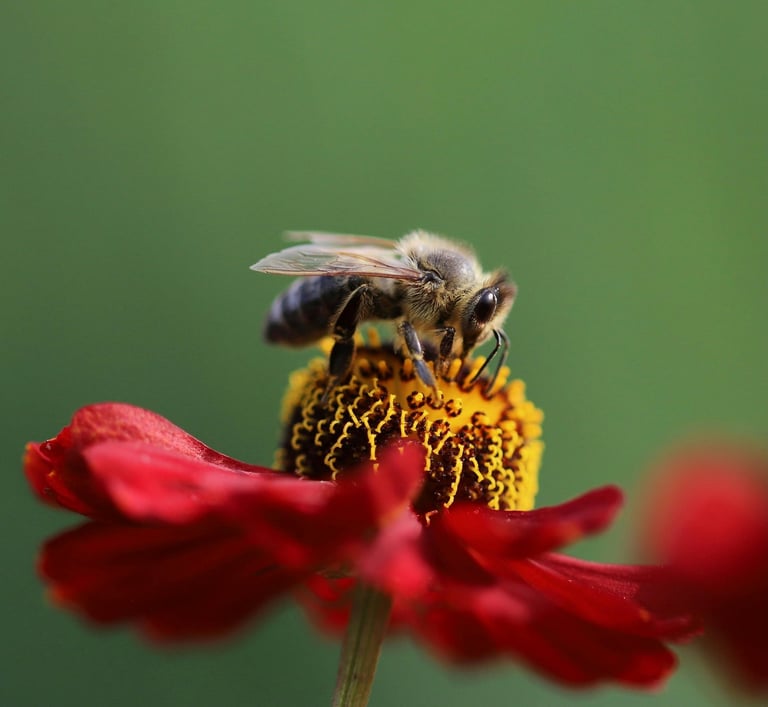
If regular honey is impressive, Manuka honey is its overachieving, glow-up cousin.
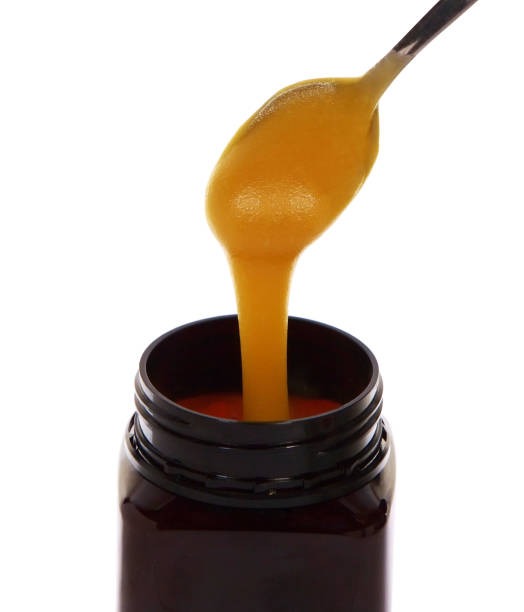
Thick. Rich. Almost caramel-like and packed with natural antibacterial power. This has made it one of the most researched medicinal honeys in the world.
At Botanik Soul, where living naturally is a lifestyle, not a label, Manuka honey represents something beautiful: ancient wisdom validated by modern science.
Let’s dive into why this liquid gold is so powerful, how to choose the best type, and why protecting bees is more important than ever.
What Is Manuka Honey?
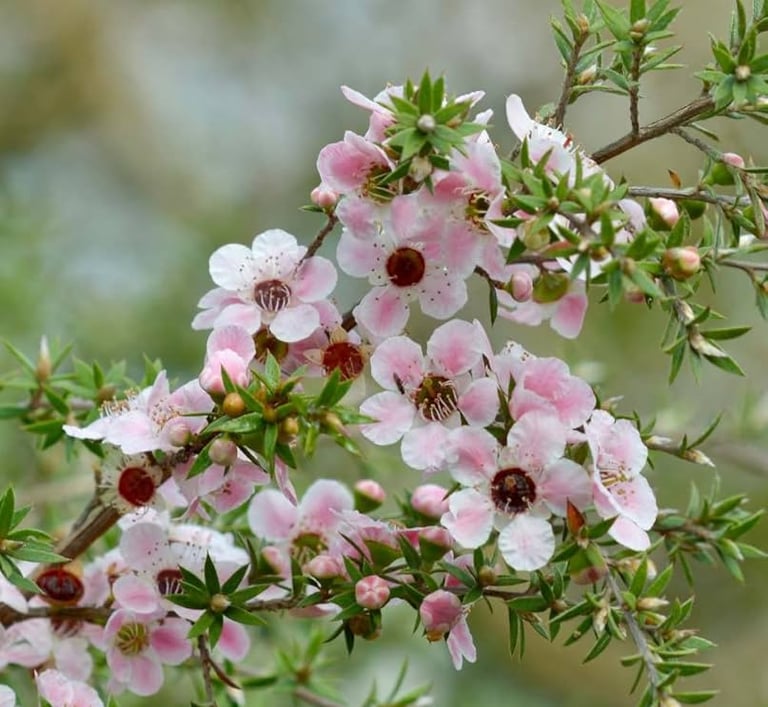
Manuka honey comes from bees that pollinate the Manuka bush (Leptospermum scoparium), native to New Zealand and parts of Australia.
What makes it different from standard honey?
It contains high levels of Methylglyoxal (MGO) — a naturally occurring compound responsible for its powerful antibacterial properties.
While all raw honey has benefits, Manuka honey has been shown to have unique, stable antibacterial activity that doesn’t break down easily under heat or light.
In simple terms: it’s not just sweet — it’s therapeutic.
The Proven Healing Benefits of Manuka Honey
Powerful Antibacterial & Wound Healing Support
Manuka honey has been widely studied for wound care. Its high MGO content helps inhibit bacterial growth and supports tissue repair.
Research has shown:
It may assist in healing burns and minor wounds
It supports skin regeneration
It helps manage harmful bacteria
In fact, medical-grade Manuka honey is used in clinical settings for wound dressings.
Immune Support & Sore Throat Relief
That soothing feeling when you take a spoonful during a cold? Not a placebo.
Manuka honey may:
Help calm sore throats
Support immune response
Reduce bacterial load in the mouth and throat
It’s like nature’s cough syrup — minus the fluorescent colouring.
Gut Health & Digestive Balance
Emerging research suggests Manuka honey may help:
Support healthy gut bacteria
Soothe digestive discomfort
Assist in balancing harmful microbes like H. pylori
Because true wellness starts in the gut — and sometimes the remedy tastes amazing.
Skin Health & Acne Support
Its antibacterial and anti-inflammatory properties make Manuka honey a popular natural skincare ingredient.
Applied topically, it may:
Support acne-prone skin
Calm inflammation
Assist in wound recovery
It’s basically a face mask you can also eat (though maybe not at the same time).
Understanding the Different Types of Manuka Honey
Not all Manuka honey is created equal. This is where things get important.
UMF (Unique Manuka Factor)
UMF is a grading system that measures:
MGO levels
Leptosperin
DHA
Higher UMF = stronger antibacterial activity.
UMF 5+ to 10+ → General wellness
UMF 15+ → Therapeutic strength
UMF 20+ → High-potency medicinal use
MGO Rating
Some jars list MGO numbers instead.
MGO 100+ → Mild activity
MGO 400+ → Strong antibacterial
MGO 800+ → Very high potency
The higher the number, the more concentrated the antibacterial compounds.
The Best Manuka Honey in the World
The highest-quality Manuka honey typically comes from remote regions of New Zealand, where strict UMF certification standards are enforced.
However, premium Australian Manuka honey is also gaining global recognition, particularly from regions with high concentrations of native Leptospermum species.
When choosing the best:
✔ Look for a certified UMF rating
✔ Check for traceability
✔ Choose raw, unpasteurised
✔ Ensure sustainable harvesting
Quality matters — because therapeutic benefit depends on active compound levels.
The Importance of Protecting Bees
No bees. No honey. No Manuka magic.
Bees are responsible for pollinating around one-third of the world’s food supply. Yet they face threats from:
Pesticides
Habitat destruction
Climate change
Disease
Supporting ethical, sustainable beekeepers helps:
Protect biodiversity
Preserve ecosystems
Maintain natural food systems
Choosing high-quality Manuka honey from responsible producers isn’t just a health decision — it’s an environmental one.
Living naturally also means living consciously.
How to Use Manuka Honey
Take 1 teaspoon daily for immune support
Stir into warm (not boiling) herbal tea
Apply topically for skin support
Add to natural skincare blends
Consistency enhances benefits — but remember, it’s still honey. Moderation matters.
Final Thoughts
Manuka honey is more than a health trend. It’s a powerful example of how nature provides both nourishment and medicine in one golden spoonful.
It supports:
✔ Immune resilience
✔ Skin healing
✔ Digestive balance
✔ Natural antibacterial protection
And perhaps most importantly, it reminds us that the smallest creatures can create the most extraordinary remedies.
At Botanik Soul, we believe healing should be natural, sustainable, and rooted in respect for the earth.
Protect the bees. Choose quality. Live vibrantly.
References
Molan, P. (2001). Why is honey effective as a medicine. The Science of Nature, 88(11), 509–516.
Carter, D. A. et al. (2016). Therapeutic Manuka honey: No longer so alternative. Frontiers in Microbiology, 7, 569.
Oelschlaegel, S. et al. (2012). Unique Manuka Factor (UMF) and antibacterial properties of Manuka honey. Phytochemistry, 73, 67–75.
World Health Organisation (WHO). (2022). Pollinator health and ecosystem sustainability reports.