
Recycled Plastic: Safe for You & the Environment?
Explore the benefits and risks of recycled plastic. Learn about microplastics, chemical leaching, food safety, and smarter eco-friendly alternatives for daily living.
2/14/20263 min read
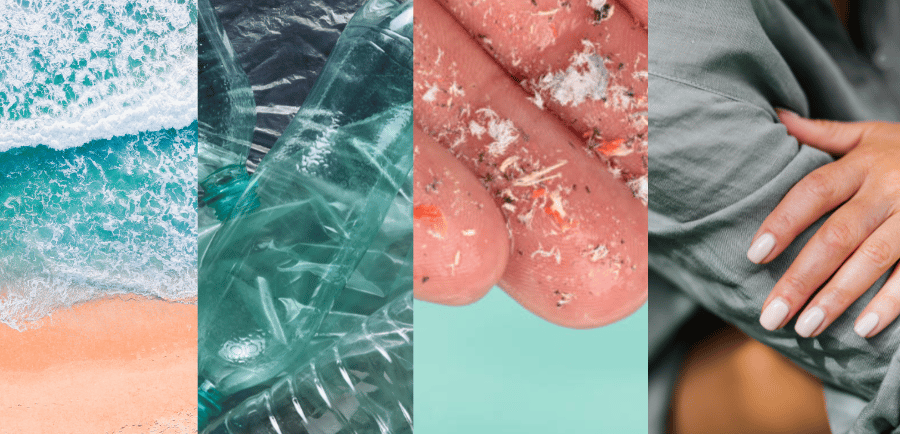
Recycled plastic sounds like a win-win.
Less landfill.
Less ocean waste.
Less new plastic production.
It feels responsible. Conscious. Sustainable.
But here’s the question more people are starting to ask:
If something is made from recycled plastic… is it actually safe to use in your home, on your body, or around your food?
At Botanik Soul, we believe sustainability and personal health should go hand in hand, not compete with each other.
So let’s unpack it.
The Environmental Wins of Recycled Plastic
First — credit where credit is due.
Recycling plastic can:
✔ Reduce landfill waste
✔ Lower demand for virgin petroleum-based plastic
✔ Reduce energy use compared to making new plastic
✔ Prevent some plastic from entering waterways
According to the United Nations Environment Programme, reducing plastic production and improving recycling systems are critical steps in addressing global plastic pollution.
From an environmental lens, recycling plastic is generally better than producing new plastic.
But the story doesn’t end there.
What Happens When Plastic Is Recycled?
Plastic isn’t like glass or aluminium. It doesn’t recycle endlessly without degrading.
Each time plastic is melted down and reprocessed:
Polymer chains break down
Material strength decreases
Chemical additives can concentrate
Unknown contaminants may be introduced
Unlike virgin plastic, recycled plastic can contain residues from its previous life — dyes, flame retardants, stabilisers, or even food contaminants.
And here’s where things get nuanced.
Chemical Concerns: Microplastics & Additives
Modern research is raising important questions about:
Chemical Leaching
Some plastics can leach compounds such as BPA alternatives, phthalates, or other endocrine-disrupting chemicals — particularly when exposed to heat or friction.
Microplastics
As recycled plastic ages and breaks down, it may shed microscopic particles. Microplastics have now been detected in:
Drinking water
Human blood
Placental tissue
Lungs
The long-term health impact of microplastic exposure is still being studied, but early research suggests potential inflammatory and hormonal effects.
This doesn’t mean every recycled plastic product is dangerous — but it does mean “recycled” doesn’t automatically equal “non-toxic.”
Is Recycled Plastic Safe for Food Use?
This is where caution increases.
Some countries regulate food-grade recycled plastic, but:
Contamination risks are higher
Trace chemical residues are difficult to fully eliminate
Long-term exposure data is limited
Many health-conscious consumers choose to avoid recycled plastic in:
Food storage containers
Drink bottles
Baby products
Items exposed to heat
When it comes to food contact, materials like glass, stainless steel, and ceramic remain more stable options.
Where Recycled Plastic Makes More Sense
Recycled plastic may be more appropriate for:
✔ Outdoor furniture
✔ Building materials
✔ Park benches
✔ Non-food-contact items
In these contexts, environmental benefit may outweigh potential health concerns — especially when exposure is limited.
The Bigger Question: Reduce, Reuse… Rethink
Here’s the deeper truth:
Recycling plastic is better than throwing it away.
But reducing plastic use altogether is even better.
Sustainability isn’t just about recycling — it’s about redesigning our systems.
At Botanik Soul, conscious living means asking:
Can I choose natural materials?
Can I reduce overall plastic consumption?
Can I support companies designing safer alternatives?
Sometimes the most sustainable option isn’t recycled plastic — it’s glass, wood, hemp, stainless steel, or simply buying less.
So… Is Recycled Plastic Good for You?
The honest answer?
It depends.
Environmentally, often yes.
For personal health, it depends on exposure, usage, and product type.
Recycled plastic is a transitional solution.
It helps reduce waste today.
But the long-term goal?
Smarter materials. Safer chemistry. Less plastic overall.
Because true sustainability protects both the planet and the people living on it.
Final Thoughts
Recycled plastic isn’t the villain.
But it’s not the hero either.
It’s a step, not the destination.
Living naturally means staying informed, thinking critically, and making choices that align with both environmental responsibility and personal well-being.
The future isn’t just recycled.
It’s redesigned.
And that’s something worth striving for. 🌿
References / Scientific Sources
United Nations Environment Programme (2023). Turning off the Tap: How the world can end plastic pollution and create a circular economy. UNEP Global Report.
Geyer, R., Jambeck, J.R., & Law, K.L. (2017). Production, use, and fate of all plastics ever made. Science Advances, 3(7), e1700782.
Wiesinger, H., Wang, Z., & Hellweg, S. (2021). Deep dive into plastic monomers, additives, and processing aids. Environmental Science & Technology, 55(13), 9339–9351.
Leslie, H.A. et al. (2022). Discovery and quantification of plastic particle pollution in human blood. Environment International, 163, 107199.
Ragusa, A. et al. (2021). Plasticenta: First evidence of microplastics in human placenta. Environment International, 146, 106274.
EFSA Panel on Food Contact Materials (2015–2023 updates). Scientific opinion on the safety assessment of recycled plastic intended for food contact. European Food Safety Authority.
Vethaak, A.D. & Legler, J. (2021). Microplastics and human health. Science, 371(6530), 672–674.